Discover the ultimate local SEO checklist for small businesses. Learn proven strategies to improve local rankings, attract nearby customers, and grow your business in 2026.
Local SEO is no longer a luxury for local small businesses. No matter the size of your company, whether a restaurant, law office, dental office, home service business, retail store, or anything else, being among the local search results is one of the best ways to bring in new customers.
Nowadays, customers make searches using keywords such as "near me," "best plumber in [city]," or "coffee shop open now." When you don't show up in the search results, you not only miss the chance but also give it to others.
Our comprehensive local SEO checklist will help you enhance your online footprint and local search ranking and generate more qualified leads for your business in 2026.
Why Local SEO is Important
Local SEO increases your business visibility in local-based inquiries. With a local SEO campaign, your business can target nearby potential customers who have a current need for your offer or services and will get the job done quickly.
Advantages of Local SEO
- Top visibility on Google Search and Maps
- Websurffing
- Vocal
- Parking direction
- Possible trust
- Higher closing rate
- Visits
- Bigger business through long-term results
About 38% of mobile searches for local businesses end with a visit on the same day - this is a really big return on investment.
The Ultimate Local SEO Checklist
1. Claim and Verify Your Google Business Profile
The Google Business Profile is the building block of your local SEO strategy.
Make sure you:
- Claim your business
- Confirm your business by completing verification
- Set your primary business category correctly
- Add secondary categories
- Have current business hours posted
- Your website appears
- Your phone number is published
- You have written an optimised business description
- You have opened messaging (if applicable)
A good profile helps Google feel that the business is trustworthy.
2. Keep Your Name, Address, and Phone Number Consistent (NAP)
The acronym NAP stands for the following components of your business profile:
- Name
- Address
- Phone Number
Your NAP must be accurate and the same in the following places:
- Your website
- Google Business Profile
- Yelp
- Bing Places
- Apple Maps
- A local directory
- An industrial or a business directory
Even slight differences may harm the local results.
3. Optimize Your Google My Business Profile
A profile that is optimised to the full extent will perform better in the rankings than an incomplete profile.
Use the following tips:
- Business logo
- Profile cover
- Pictures of the interiors
- Pictures of the exteriors
- Pictures of your team
- Highlight popular products
- Showcase services
- Create FAQs
- List business features
- Set the opening date
Daily, post your most updated photos. This action indicates the company activity to Google.
4. Choosing Your Business Categories Wisely
Your main category is going to be a determining factor for your ranking.
You can get a list of the best-fitting categories for your business as follows:
- Your primary business category must be the main one
- You can have more than one secondary category to cover your other aspects
- The category must have nothing to do with your business offerings.
Google has to identify what your business provides very accurately through the categorization.
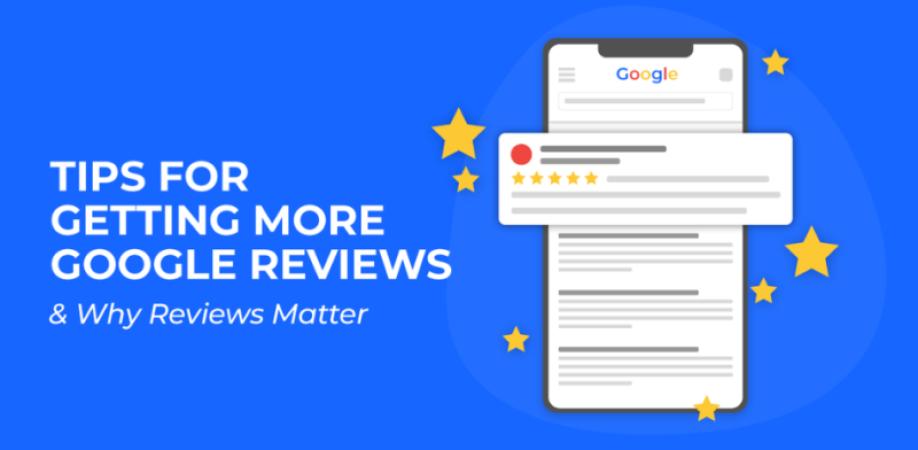
5. Ask for Customer Reviews to Generate More Feedback
Reviews are a very potent ranking factor for local search engine results, especially for local businesses.
You must inspire those satisfied clients to do that for you.
Here are the ways you can do this effectively:
- Ask every satisfied customer for a review
- Send a link to the review in emails
- QR codes
- Make sure no review is left unanswered
- Say thanks to people who write good reviews
- Deal with complaints in a mature way
New reviews show the public that customers feel confident about your products and service and thus you also receive better visibility in local search results.
6. Respond to Every Review
Google values businesses that actively engage with customers.
When responding:
- Be polite
- Personalize responses
- Include relevant keywords naturally
- Thank customers
- Offer solutions for complaints
Review responses demonstrate excellent customer service.
7. Optimize Your Website for Local SEO
Your website is an online presence that tells about your location, your services, and your business. It should be obvious to the visitors where you are and what you do.
List of items your website must contain-
- Your city name
- Service areas
- Business address
- A contact page is a basic one where the customer can reach out to you. A contact form or a mobile number can be provided. It could also be a landline number if you are an office-based business.
- A map from Google embedded into your website
- Local keywords
Your website's key pages need to back up your local SEO efforts.
8. Create Location Pages
If you serve multiple cities, create dedicated pages for each location.
Each page should include:
- Unique content
- Local landmarks
- Customer testimonials
- Service information
- Driving directions
- Contact details
Avoid copying the same content across multiple pages.
9. Optimize Title Tags and Meta Descriptions
Headline:
Use
- Your main keyword
- City
- Company/band name
One such heading (that contains all three) might look like:
Emergency Plumber in Denver | ABC Plumbing
Description
An effective description will persuade someone to actually click on your link in order to get more details about the products you are selling or the services you are making available. The text in your description is also a valuable place to include one of your main or related search terms. It should never be misleading to the customers but be as honest as possible.
Make sure to describe in a way that will attract people while at the same time making sure that the description includes your most important keyword naturally.
10. Use Local Keywords
Rather than targeting only
"roof repair"
Focus on:
- Roof repair Dallas
- Roof repair near me
- Residential roof repair Dallas
- Affordable roof repair Dallas
The reason is that location-based keywords attract real potential customer that wants to buy a service or product immediately.
11. Add Local Business Schema
Schema markup is an organized structured language used by webmasters and is a great way for the search engines to read your content better.
Main attributes of your business to feature:
- Name
- Address
- Phone number
- Business hours
- Web site
- Customer reviews
- Latitude and longitude
Incorporate structured data, which gives a higher probability of appearing in a featured snippet
12. Build Local Citations
Citations of your business refer to online references or mentions of your business such as directory entries, website listings, social media presence, etc.
In addition to the most important Google My Business listing, include your name, address, phone number, and the name of your business wherever online.
- Local directories
- Chamber of Commerce
- Trade association websites
- Blogs
The goal is that search engines will see you as a trustworthy business that offers products and services to your city area customers, and this will help them rank you higher in search results.
Quantity is not as important as the quality of citations.
13. Earn Local Backlinks
While backlinks are still an important ranking factor these days, the value of local ones should not be ignored.
A few sources from which you could get relevant backlinks
- Local news outlets
- Community-based groups
- Schools
- Charities
- Sponsorships
- Business partnerships
- Yourself with local bloggers
Getting local links from trusted sites can boost your website's authority with local searchers.
14. Publish Local Content
The first step in local SEO is to know the content that people living in your city want.
Some ideas:
- Local activities and events
- Area updates
- Hobbies and interest stories
- Local weather & seasonal changes
- Success stories from local customers
Publishing local content can make your business look more relevant to local searches.
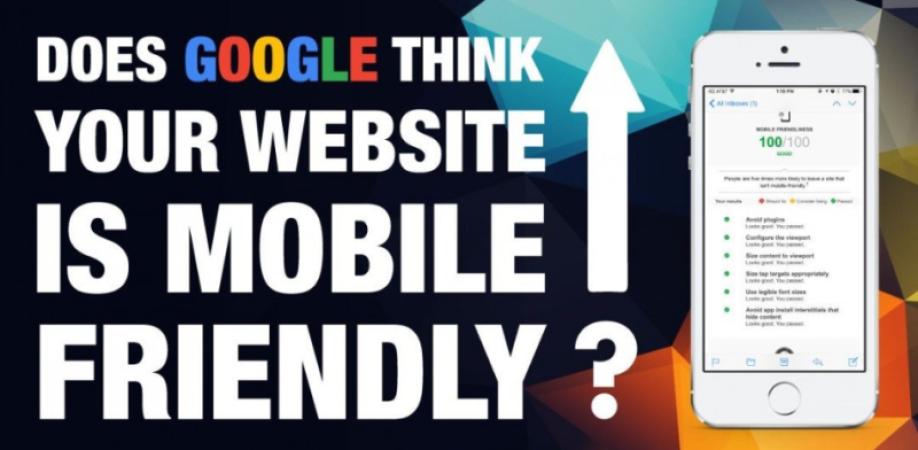
15. Optimize for Mobile Users
Smartphone devices are the primary devices for local searches.
Your website has to:
- Be light enough to load swiftly
- Have a mobile device-friendly interface
- Use text fonts of reasonable size
- Have clickable phone number icons
- Be user-friendly from the standpoint of navigation
Providing a great mobile user experience leads to better results and customer acquisition.
16. Improving Website Speed
Websites that load slowly lose traffic fast.
Tips to enhance your website speed:
- Pictures should be small in size
- Browsers can cache web pages
- Files of CSS and JavaScript can be minimized
- Content Delivery Networks (CDN) could be a good idea
- Hosting a Website should be from a provider with a dependable reputation
Faster websites are the best ones in terms of user experience.
17. Use the Embedded Google Map Feature
Naturally, the main reason to have a map is helping users figure out where they can find your business, which is one of the ways to prove that your site has geographic relevance.
You can place it:
- On your contact us page
- Location pages
- As a bonus - the website footer
18. Optimize the Images
The best of a photo should not be judged by its looks alone; it could be a good photo, but without a good filename, it will look like trash to the search spiders.
Possible ways of doing this:
- Rename the original file to a file name with a short description of the image
- Write a short text about the image describing what it looks like
- Reduce the size of the file
- The image keywords need not be everywhere
Example:
Roof-repair-denver.jpg
Keeping an active presence on social media not only helps in the direct sales process, as customers can reach out to you directly from the apps, but can also increase brand awareness and customer engagement indirectly.
The business details have to be the same across all social media platforms.
20. Keep the Local SEO Performance under Supervision
Keeping an eye on key metrics such as:
- Ranks in the local searches
- Visits via the Google Business Profile
- Website visits from different sources
- Incoming calls
- Requests for directions
- Click-through rate (CTR')
- Customer's reviews
- Conversion rates
Keeping tabs on your local SEO efforts is one way you can find out what's working and what's not in the short to mid-term.
Common Local SEO Mistakes to Avoid
Avoid these mistakes:
- Inconsistent business information
- Keyword stuffing
- Ignoring reviews
- Duplicate location pages
- Outdated business hours
- Missing contact information
- Poor mobile experience
- Slow website speed
- Thin website content
- Neglecting Google Business Profile updates
Correcting these issues can significantly improve your local search performance.
Local SEO Tools You Should Use
Several tools can simplify your local SEO efforts:
- Google Business Profile
- Google Search Console
- Google Analytics
- Google Keyword Planner
- Google Trends
- Bing Places
- BrightLocal
- Whitespark
- Semrush
- Ahrefs
- Moz Local
- Screaming Frog SEO Spider
These tools help with tracking rankings, auditing your site, managing citations, and discovering keyword opportunities.
Final Thoughts
Local SEO is an ongoing process, not a one-time task. By following this ultimate local SEO checklist, small businesses can strengthen their online presence, attract more local customers, and stay competitive in 2026.
Start with the fundamentals—optimize your Google Business Profile, maintain consistent business information, collect customer reviews, and create valuable local content. Then continue refining your website, earning local backlinks, and monitoring performance over time. Consistent effort will lead to better visibility, more qualified leads, and sustainable business growth.