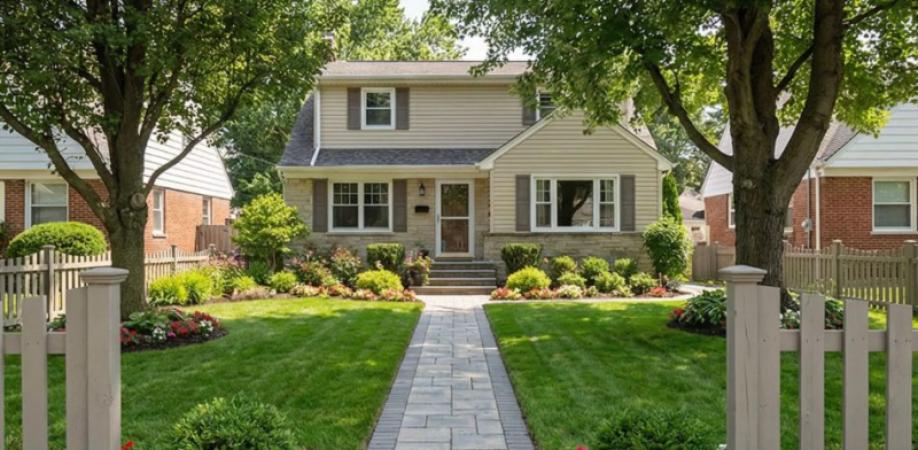
Learn how to choose a landscaping company you can trust. Discover tips for checking reviews, experience, insurance, pricing, contracts, and more.
An outstanding landscape can significantly enhance the appearance of your home from the street, provide an enjoyable outdoor living space, and most importantly, add value to your property. Unfortunately, obtaining quality results heavily relies on finding a reputable landscaping company.
There are so many companies out there that offer different services at various prices. Therefore, it's easy to be confused and to have doubts about which company you should really rely on. If you can spend some time learning about your choices, it might help you avoid getting disappointed and save you time and money in the long run. Below, you'll find some really useful pointers on recognizing a landscaping company that is trustworthy.
1. Determine Your Landscaping Needs
It might be wise for you to determine the type of work you want to be done by the landscapers before you make phone calls. Your landscaping requirements may range from merely taking care of a lawn to creating intricate gardens, trimming trees or designing irrigation systems, outdoor lighting, hardscaping, or even turning your house into an amazing outdoor space.
Identify the services that you are interested in and keep in mind your style preference, the budget that you have for the project, and how much time is available from the beginning till the end of the project. Being focused on your desires will not only enable you to tell your contractor precisely what you expect them to deliver but also to make a better choice between two contractors or more.
For big-scale landscaping undertakings, it is good if you have a basic outline or a few sample pictures of garden designs that you have liked.
2. Find Local Landscaping Contractors
Begin your quest by targeting those local businesses that regularly deliver landscaping in that town. Local gardeners know about the climate, the types of soil, the right way to use the water in the gardens, and the local problems that are very common for garden designers.
You'll be able to spot the landscaping experts through the internet, local yellow pages, the advice from family and neighbors you have met, and local associations.
It is a terrible mistake just to settle on a firm that appeared first in a search. You definitely need to evaluate some choices if you want to arrive at a wise decision.
3. Reviews and Reputation
Reading about former customers' experiences will give you an insight not only into the reliability of the landscaping company but also the quality of its services. Make a point to get the customer's point of view regarding the company's professionalism, communication channels, timing, the degree of their work, and the level at which they treated the client.
Take into account both the negative and positive comments instead of simply going over the total rating. See how the company handles the negative reviews. Their handling of a reasonable complaint may reveal how much they value their customers' happiness.
In addition, the company can get previous satisfied customers who you can talk to regarding the experience, particularly for bigger landscaping assignments.
4. Review Their Previous Work
If a landscaping company is legitimate and well-established, it should have a collection of its completed works to show you. Simply ask them to give you an example of a landscape that they did that would also be a fit for the one you want.
A showcase portfolio is great to know about the contractor's work style, their care of details, their use of different kinds of plants, the level of quality on the hardscape work, and generally, their construction work skills.
If you can, visit a completed site or have a chat with a former client. Having a physical look at the quality will make you more assured of the contractor that you have decided to go ahead with.
5. Verify Experience and Qualifications
Experience is definitely important when you are planning to get a lawn, drainage, tree, landscape, or other major construction done.
Finding out the duration the company has been operating for and if it is capable of doing work of your scale or not should be difficult questions as long as it is from an honest company.
In some cases, depending mainly on your area and what kind of landscaping services you are looking for, there might be landscaping operations that are restricted and require some licenses, permits, or certifications.
Your decision whether a landscaping company can carry on such kind of jobs should be based on a verification that they indeed hold such local permits if any of them are necessary.
6. Ask About Insurance
Hiring a landscaping company is a big decision - before you go ahead, it would be a good idea to double-check that they have proper insurance in place. Landscaping by its nature requires various tools and equipment, such as trees, power tools, heavy machinery, vehicles and other things which could lead to potential dangers.
You can be assured that insurance can help cover certain types of liabilities in the case that damage to the Property or a mishap occurs while they are working on the project.
Wherever possible, do not hesitate to ask for proof of insurance. A trustworthy company would readily be able to show you proof of its insurance and also business credentials.
7. Get Multiple Written Estimates
You probably won't be getting a perfect landscape after just one quote, which is a fact you should remember in any major landscaping project. Try to get estimates from several contractors if possible. Comparing the quotes will give you an idea of standard pricing and also help you see where big variations in services or materials might be.
A good estimate will break down for you such details as:
- Cost of Labor
- Cost of Materials and Plants
- Cost of Equipment
- Project Scope
- Time expected for the project
- Modes of Payment
- Extra Work that would be charged separately
Do not always pick the cheapest one. The cheapest quote may be leaving off services that you will end up needing or not using top-grade materials at all.
Instead, assess the overall value, including experience in landscaping work, good job completion, quality of the material, clear channel for questions and warranty terms for services.
8. Ask What Is Included
Make sure you have the full picture of exactly what the landscaping business will handle before you sign the agreement. Ask them to clarify everything.
If you want to lay out a new lawn, for example, make them clarify whether the work quote includes soil preparation, seeding or sodding, fertilizing, irrigation arrangement, cleaning of debris etc.
In the case of hardscaping projects, you should find out what kind of supplies or installation they cover - excavation, drainage, installation, etc?
If everyone knows the boundaries, then they won't have any problems later due to misunderstanding or unexpected additional costs.
9. Evaluate Communication
Getting the landscaping right requires constant communication between you and the person or company involved. Be sure to pick someone who not only answers your questions but also tells you things as it is without any difficulty, keeps on sending you updates about the project, etc.
Observe how they are communicating during an initial meeting of the project. If you can barely get hold of them prior to the job, chances are, things will get even worse between you guys when the work starts.
On the one hand, such a company should be ready to listen to what your goals are; on the other hand, also give you practical advice that is based on the conditions of your property.
10. Understand the Contract
Major landscaping should not be agreed upon on just a verbal basis. It is best to have a written agreement which spells out in detail everything that is going to be done as part of the landscaping.
Among the many things you can expect in the contract is a description of the services, details of equipment and materials, the amount of payment and schedules, the timeline of the whole project, clarification of duties, and also the steps of the company if there are change requests.
Make sure the contract is read thoroughly before signing it. If you don't understand something, don't hesitate to ask the company to clarify it for you. Avoid signing a paper which has descriptions of a general nature or terms that catch you off guard.
11. Ask About Maintenance
For certain types of landscaping jobs, maintenance work is the part of ongoing effort to keep the landscape healthy and nice-looking. If planning on hiring a professional, always check if your company can take care of maintenance in the months or even years after installation.
Besides the physical appearance, care and cleanliness of a lawn also depend on several other aspects, like cutting the grass, trimming, fertilizing, removing weeds, water regulation, cleaning up once seasonal changes take place, and also the health of plants. So if a landscaping company is unable or unwilling to offer a long-term maintenance plan, get it right from your company about the requirements to ensure the long-lasting beauty of your new landscape that you have just invested in.
12. Look for Long-Term Value
A good landscaping team will plan with a long-term view in mind and make recommendations to your landscape such that your home becomes part of it rather than a simple change to the property. It is their job to design and build your landscape so it works well in harmony with the characteristics of your property over the years to come, not to just get it done the fastest way possible.
In landscaping, many factors must be taken into account - such as the direction of the sunlight throughout the day and night, drainage problems, what kind of soil you have, the growth pattern of plants, water use efficiency, and the kind of maintenance required to make all of that work together over time.
A professional may recommend native or climate-appropriate plants, efficient irrigation, durable materials, and designs that reduce long-term maintenance costs.
Red Flags to Watch For
While researching landscaping companies, be cautious of businesses that:
- Refuse to provide a written estimate
- Demand the entire payment upfront
- Have no verifiable references
- Avoid questions about insurance or qualifications
- Offer unusually low prices without explanation
- Pressure you to make an immediate decision
- Provide vague project descriptions
- Have consistently poor customer reviews
One red flag does not automatically mean a company is unreliable, but several warning signs should encourage you to look elsewhere.
Final Thoughts
Choosing the right landscaping company requires more than comparing prices. Research local providers, check reviews and references, review previous work, verify qualifications and insurance, and obtain detailed written estimates.
Most importantly, choose a company that communicates clearly, understands your goals, provides transparent pricing, and demonstrates quality workmanship.
By doing your research before signing a contract, you can find a landscaping company that delivers a beautiful outdoor space while providing a professional and dependable experience from start to finish.